Project Details
- Home
- Project Details
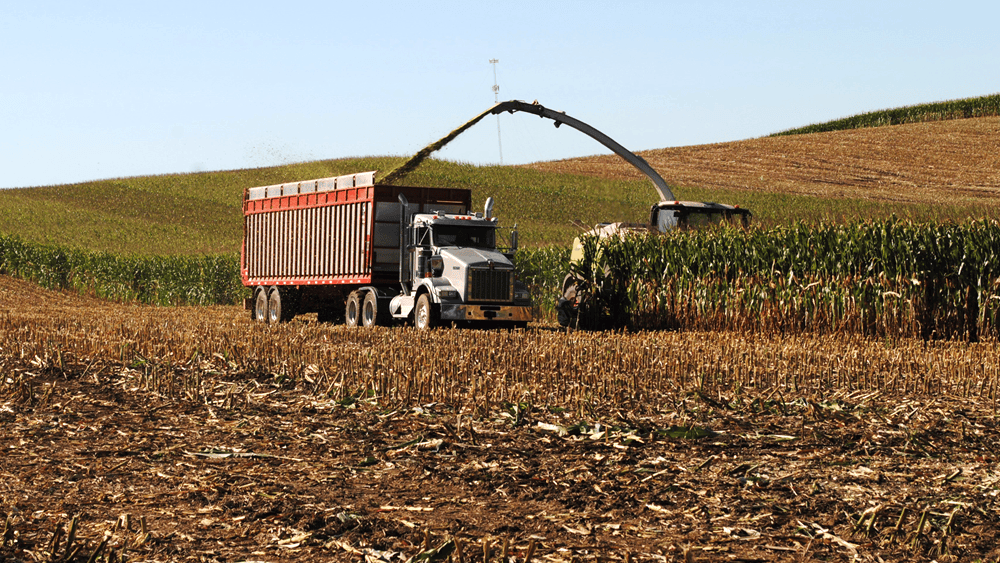
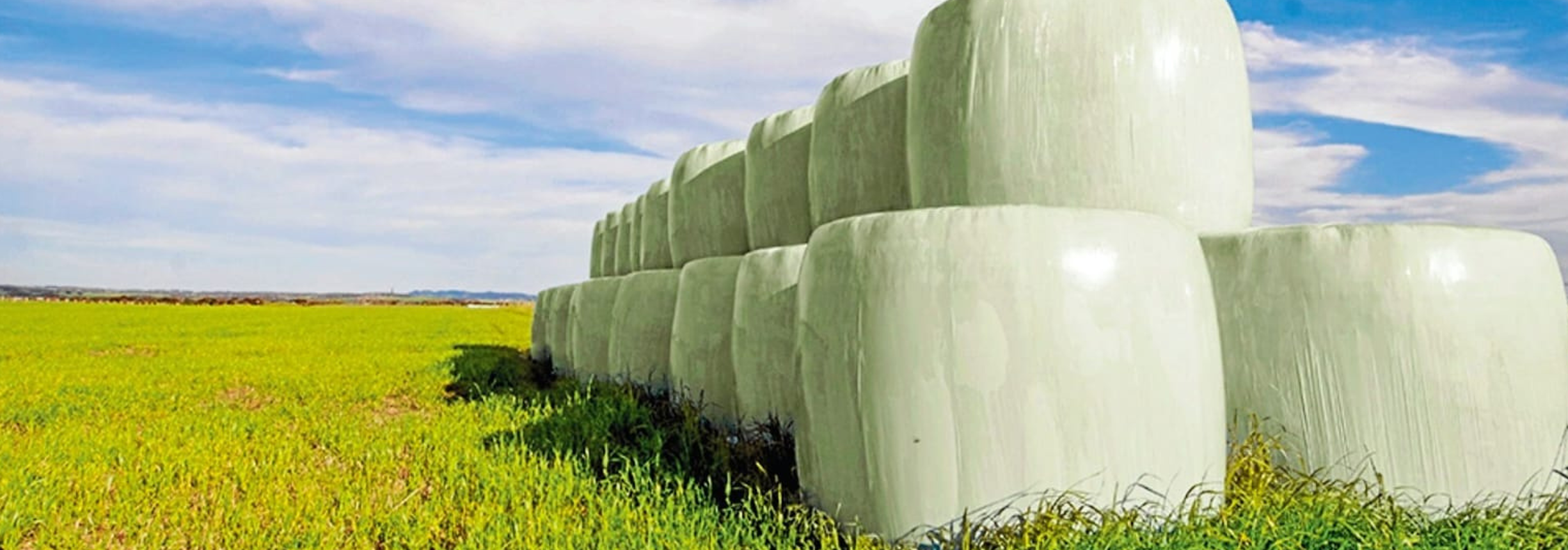
The Silage Process is a scientifically managed method of preserving green fodder to ensure a continuous supply of high-quality and nutrient-rich feed for livestock throughout the year. This process involves harvesting fodder crops at the optimal stage, compacting them under anaerobic conditions, and allowing controlled fermentation to retain nutritional value.
Through proper silage preparation, moisture control, and airtight storage, essential nutrients such as energy, protein, and digestibility are preserved for extended periods. This helps stabilize livestock feed availability during off-seasons, droughts, or feed shortages, reducing dependency on external feed sources and lowering production costs.
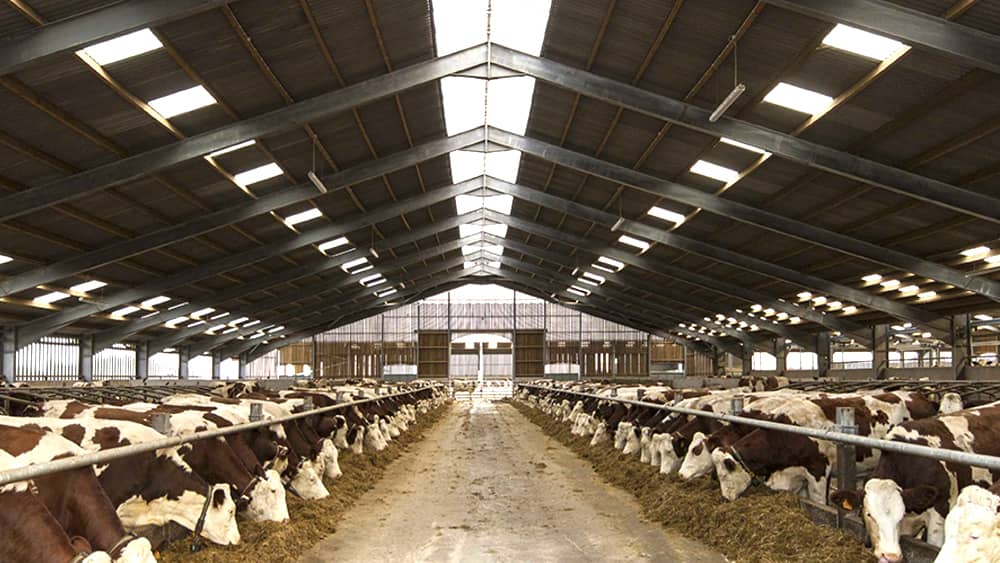
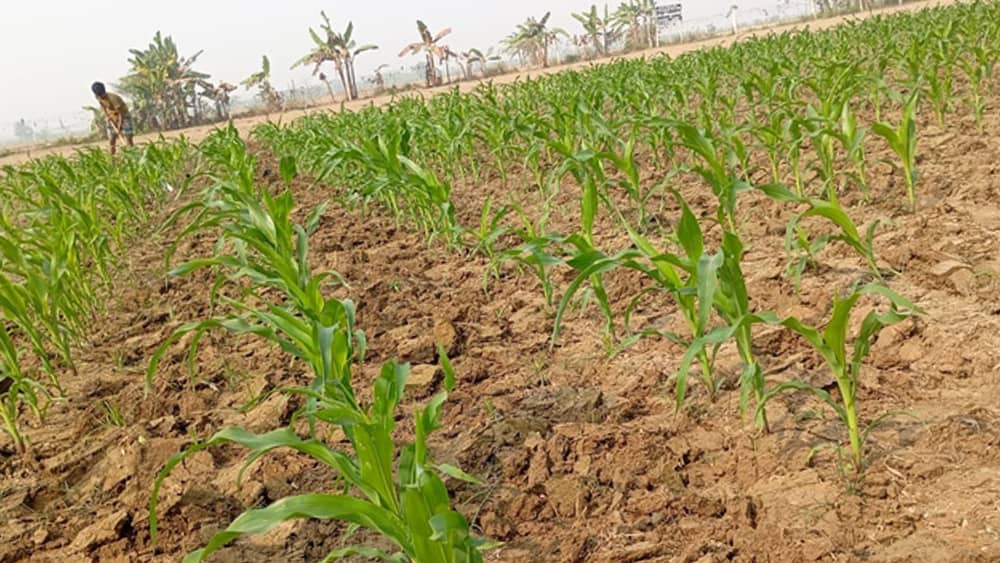
Within a regenerative agro ecosystem, the silage process plays a critical role in circular resource management. Crop residues, fodder crops, and surplus biomass are efficiently converted into valuable livestock feed instead of being wasted. This approach supports animal health, improves milk and meat productivity, and minimizes environmental impact. By integrating silage production with fodder units, livestock sheds, and crop farming systems, the silage process contributes to sustainable livestock development, food security, and long-term agricultural resilience.