Activities
- Home
- Duck Farming
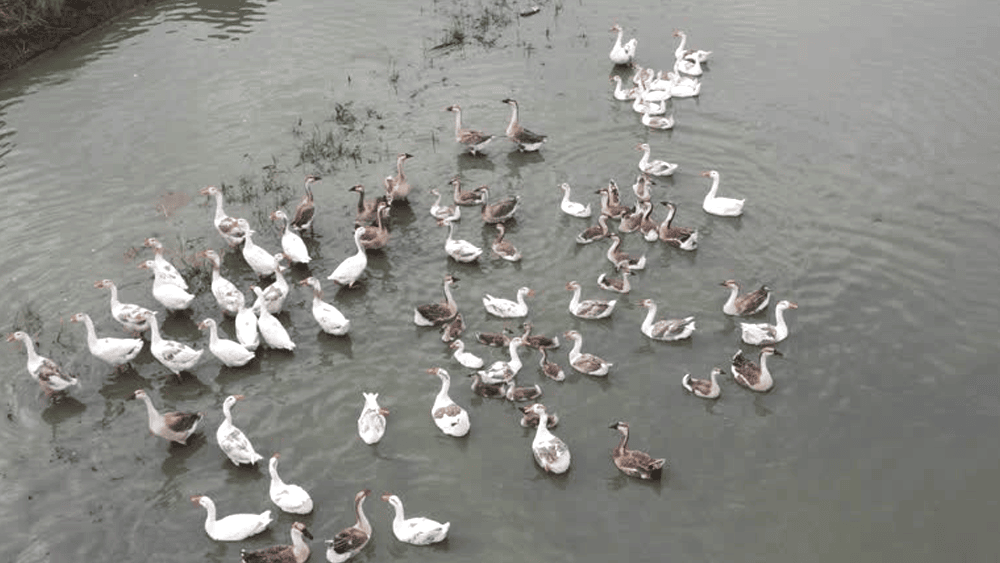
Duck Farming is an important component of integrated and regenerative agricultural systems. Ducks are well adapted to wetland environments and can be efficiently reared alongside crop cultivation and water bodies. Duck farming contributes to diversified farm income while supporting sustainable poultry production with relatively low input requirements.
Within a regenerative agro ecosystem, duck farming is often integrated with water bodies, crop fields, and fish culture. Ducks help control insects and weeds naturally, reducing the need for chemical inputs. Their droppings enrich soil and water with nutrients, supporting natural fertilization and enhancing overall farm productivity.
Duck farming also plays a significant role in strengthening food security by providing a reliable source of protein through meat and egg production. It creates employment opportunities for local communities and supports rural livelihoods. When managed with proper housing, nutrition, and biosecurity practices, duck farming contributes to a circular agro economy and promotes environmentally friendly, resilient agricultural development.